Mungon: The Quirky Display Typeface That Elevates Small Business Branding
It was a Tuesday morning when I realized my online shop looked exactly like everyone else's. I had spent weeks designing product labels for my handmade soy candles, but they felt generic. The typography was safe, boring, and completely forgettable. In the crowded world of handmade sellers, looking polished isn't just about aesthetics; it is about trust. Customers need to feel that a brand cares about every detail before they even touch the product.
I needed a display font that could cut through the noise without screaming for attention. After testing several options, I found Mungon. This unique typeface immediately changed the game for my brand identity. It is not just a set of letters; it is a personality trait that can be applied to packaging, menus, and digital ads. If you are a small business owner trying to make your brand memorable, here is how this creative font transformed my customer-facing materials.
Why Typography Defines Your First Impression
In the fast-paced environment of social media and e-commerce, you have less than three seconds to capture a potential customer's interest. This is where modern typography becomes your most powerful marketing tool. A well-chosen typeface does more than convey information; it sets the mood before a single word is read. When I switched to Mungon for my candle jar labels, the shift in perception was immediate.
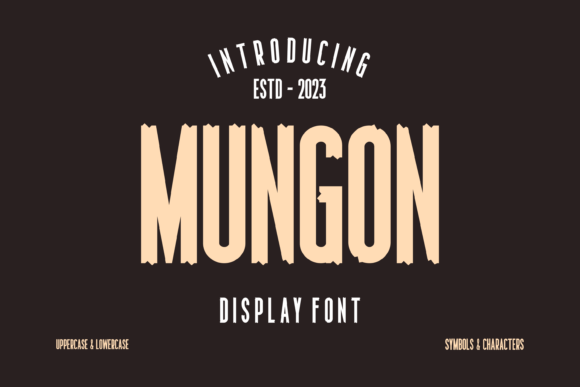
Mungon is a quirky display font with a distinct character that feels both retro and fresh. Unlike standard serif or sans serif fonts that blend into the background, Mungon commands attention while maintaining readability. For a boutique or café owner, this balance is crucial. You want your menu or signage to be legible from across the room, but you also want it to reflect a specific vibe—whether that is playful, elegant, or artisanal. By using Mungon as the headline font, I signaled to customers that my products were crafted with care and a unique perspective.
The font's slightly irregular shapes add a human touch that mass-produced brands often lack. This "imperfection" is actually a feature, not a bug. It suggests that there is a real person behind the business, which builds an emotional connection with buyers. Whether you are updating an Instagram template or printing thank-you cards, Mungon adds a layer of sophistication that makes your business look established and trustworthy.
Real-World Applications for Packaging and Digital Assets
One of the best things about Mungon is its versatility. I tested it on everything from physical product tags to digital banners, and it held up beautifully in every context. For my candle business, I used the bold weights of Mungon for the main title on the jar labels. The quirky curves made the text pop against the matte finish of the packaging, turning a simple glass jar into a statement piece.
- Product Labels and Packaging: Mungon works exceptionally well for short phrases like "Handmade," "Organic," or flavor names. Its decorative nature draws the eye to key selling points without cluttering the design.
- Social Media Graphics: When creating promotional posts for new arrivals, I used Mungon for the overlay text. It stands out clearly even on small mobile screens, ensuring your message is readable in the feed.
- Menus and Flyers: For a local café client, we used Mungon for the daily specials section. The font's unique style made the specials feel exclusive and exciting, encouraging customers to try new items.
- Website Banners: On the homepage hero section, Mungon served as the perfect display text. It created an instant visual hook that encouraged visitors to scroll down and explore the shop.
However, it is important to remember that Mungon is designed for impact, not for long paragraphs. It shines as a creative font for headlines, logos, and decorative accents. Trying to use it for body text would likely reduce readability and overwhelm the reader. Instead, treat it as the star of the show, letting it highlight the most important parts of your brand story.
Mastering Font Pairing for a Polished Look
A common mistake many small business owners make is trying to use one font for everything. While Mungon is versatile, it needs a partner to create a balanced and professional design. The secret to making a premium font look truly high-end is thoughtful font pairing.
Since Mungon has such a strong personality, it pairs best with clean, understated typefaces. I recommend combining it with a simple sans serif font for body text. The neutral lines of a sans serif provide a calm backdrop that allows the quirks of Mungon to shine without competing for attention. This combination creates a hierarchy that guides the customer's eye naturally from the headline to the details.
If you are aiming for a more elegant aesthetic, perhaps for a beauty brand or a wedding stationery business, try pairing Mungon with a delicate script font. The contrast between the structured, quirky display letters and the flowing, handwritten style can create a romantic and sophisticated vibe. Alternatively, for a modern, minimalist look, pair it with a geometric serif font to add a touch of classic authority to your branding.
When selecting your pairings, keep your audience in mind. If your customers are tech-savvy millennials, a mix of Mungon and a modern sans serif might resonate well. If you serve a traditional clientele, a softer serif pairing might be safer. The goal is consistency. Once you choose a pairing, apply it across all your design assets, from business cards to email signatures, to build a cohesive brand identity.
Practical Tips for Commercial Use and Readability
Before downloading any commercial font, it is essential to check the licensing terms. Mungon comes with various file formats and styles that make it easy to integrate into your workflow. Ensure you review the included weights, alternates, and ligatures to see if they meet your specific design needs. Some versions of display fonts offer special characters that can add extra flair to your logos or product names.
For those working on packaging design, consider the scale at which the font will be viewed. Mungon is excellent for large prints, but if you are creating tiny stickers or small tags, test the smallest size first. The intricate details of a display font can sometimes get lost if printed too small. Always print a proof to ensure the texture and curves remain crisp.
When designing for mobile devices, readability is paramount. Use Mungon for headlines that are large enough to be scanned quickly. Avoid placing it over busy backgrounds; give it some breathing room so the text remains clear. This attention to detail shows your customers that you value their experience, whether they are viewing your site on a phone or holding your product in their hands.
Ultimately, Mungon is more than just a typeface; it is a tool for storytelling. By integrating this unique display font into your branding strategy, you can elevate your business from a generic seller to a recognizable brand. Whether you are refreshing a menu, redesigning product labels, or building a new website, taking the time to select the right typography pays off in customer loyalty and perceived value. Give your brand the polish it deserves with a font that speaks volumes about who you are.